
Field-scale physics
Understand the system.
Geometry, travel distance, sightlines, traffic, scoring state, and alliance timing shape every mechanism.
Small chips. Big ideas.
A fresh batch of builders, thinkers, and problem-solvers. We mix curiosity with code, turn ideas into robots, and learn a little more with every experiment.
FTC 39092 on FIRST's official team page →Ask a real question. Sketch a few possibilities. Build something, measure what happens, and share what you learn. Everyone brings a different ingredient to the team.
Start with a block of code, a mechanism, or a question about the field.
Interactive FTC Blocks diagrams, guided lessons, downloadable programs, and math you can put to work.
Open the Code Lab →02Explore mechanisms, geometry, physics, safe testing, and the decisions that make a robot understandable.
Explore engineering →03Learn the field, review official videos, and find the current rules and FIRST score calculator.
Get the game resources →04See how materials, tools, and practice space can create more opportunities for young builders.
Explore team support →A robot does not move in abstractions. Mass, torque, traction, inertia, geometry, timing, and uncertainty all meet on the field. Digital Twins help students see those relationships sooner—and arrive at the physical robot with better questions.
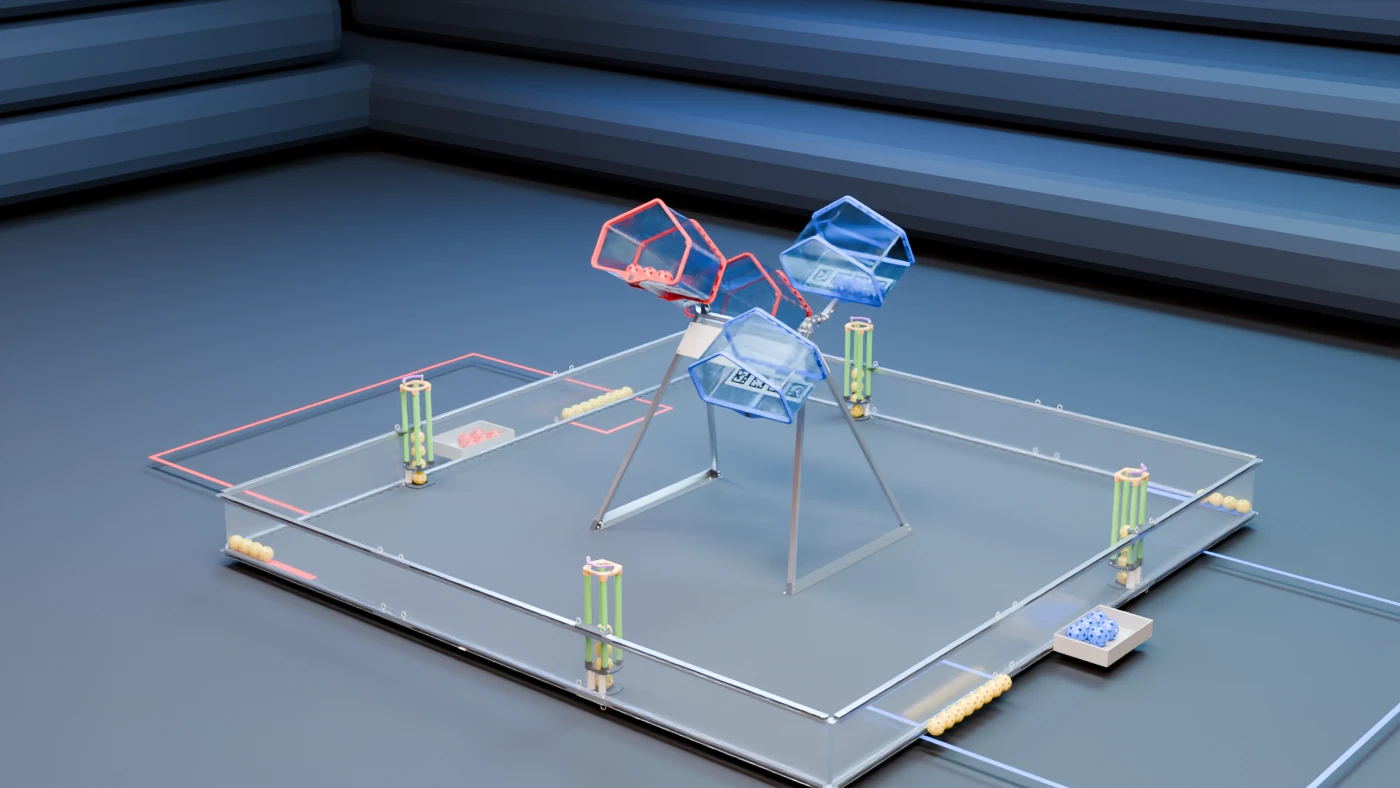
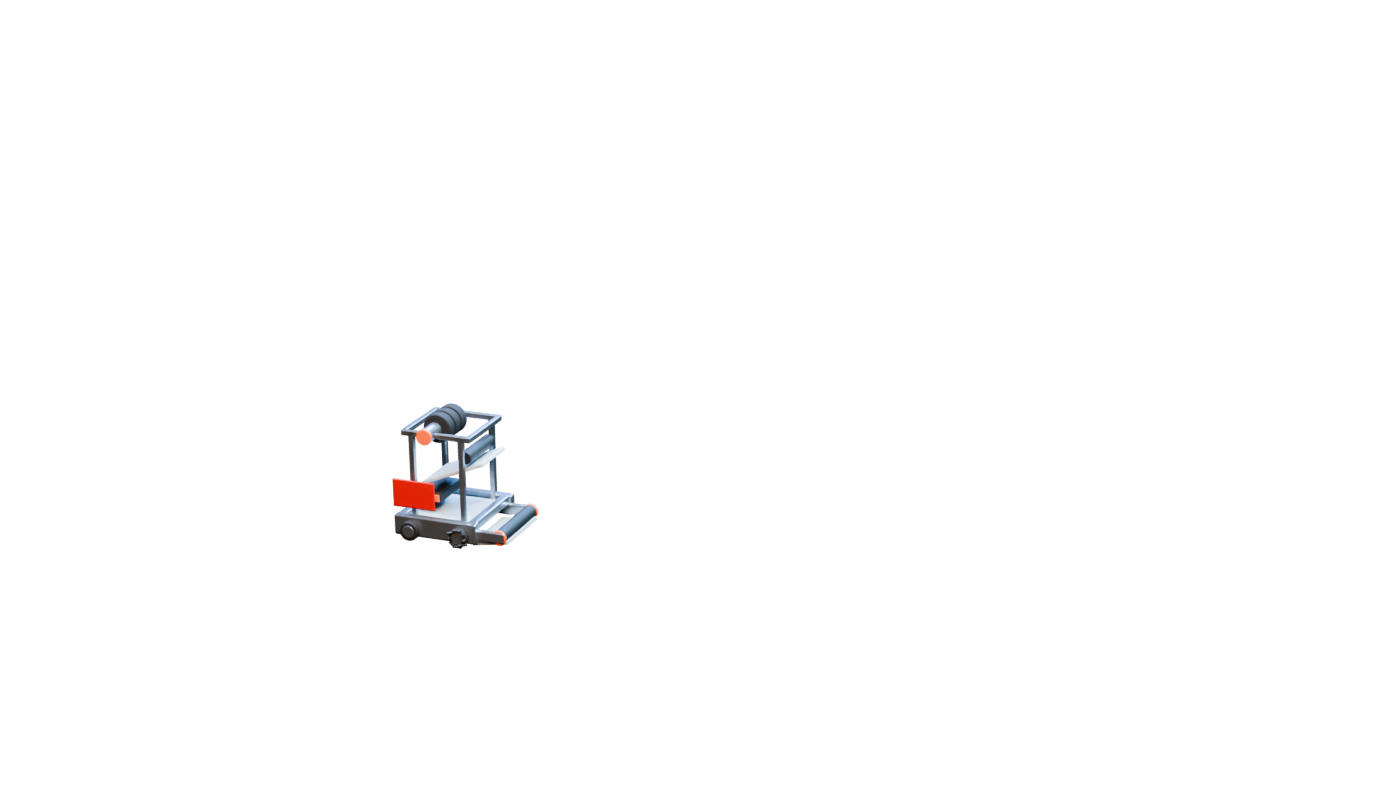
Geometry, travel distance, sightlines, traffic, scoring state, and alliance timing shape every mechanism.
Motor curves, gearing, mass, traction, inertia, launch geometry, and timing become testable hypotheses.
Simulation proposes. Testing decides. Every difference becomes another opportunity to learn.
A simulation is a prediction, not proof. Our learning materials help students ask better questions before safe, supervised trials with real hardware.
Study Movement Calibrationcookie-coders:~$ bake --better
01 → Ask a precise question.
02 → Mix ideas and compare alternatives.
03 → Test safely and measure honestly.
04 → Keep what works. Learn from the crumbs.
05 → Share the recipe.